Correct Your Child’s Pacifier Teeth with Help from Our Chula Vista Dentist
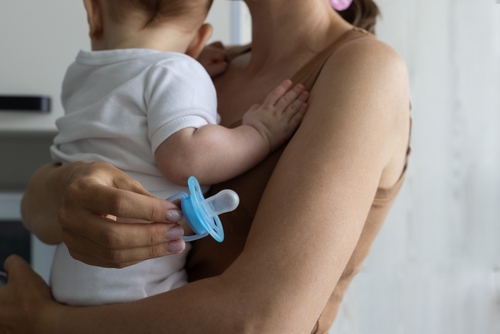 As a parent, giving your baby a pacifier is one of the most reliable ways to soothe tears and help them sleep soundly. Pacifiers fulfill a natural soothing reflex that provides immense comfort during infancy. However, as your child grows into toddlerhood, you might begin to notice subtle changes in the shape of their mouth or the alignment of their front teeth. This condition is commonly referred to as pacifier teeth.
Seeing your child develop crooked teeth, an open bite, or a narrow upper jaw can feel worrying. The good news is that pacifier teeth are very common and highly treatable. In many cases, if the pacifier habit is stopped early enough, a young child’s mouth can naturally self-correct. For older children or more pronounced alignment shifts, modern dental care provides gentle, effective solutions.
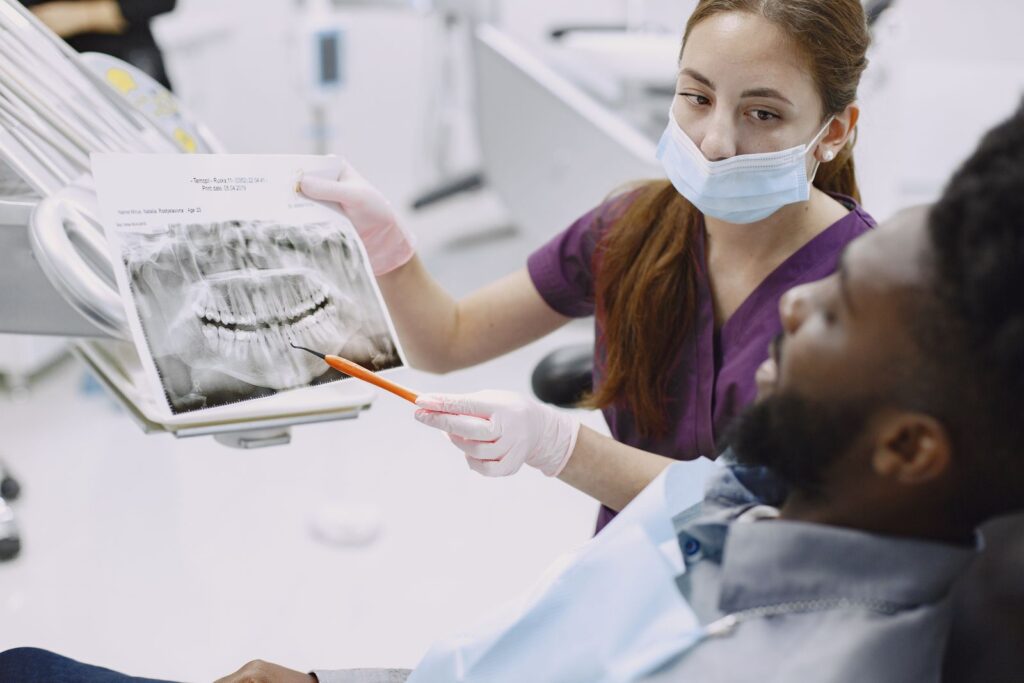
At the Chula Vista dental practice of Dr. Nick Addario, a dedicated dentist in Chula Vista, we help families navigate early childhood dental development with compassionate care, practical advice, and gentle treatment options. Contact Dr. Addario by calling (619) 656-1788 to learn more.
What Are Pacifier Teeth?
Pacifier teeth refer to dental and jaw alignment changes caused by prolonged pacifier use. While a pacifier is harmless during infancy, extended use past the toddler years places continuous pressure on developing teeth and jawbones.
Because a child’s mouth and jaw are soft and pliable during early growth, repeated pressure alters how primary teeth erupt and how the palate shapes itself. Common features of pacifier teeth include:
- An Anterior Open Bite: A visible gap between the top and bottom front teeth when the back teeth bite together, preventing front teeth from touching.
- Front Teeth Protrusion: Upper front teeth that flare outward or stick out toward the lip.
- A Narrow Upper Jaw or Crossbite: The upper palate becomes narrow and high-arched, causing upper back teeth to fit inside lower back teeth when biting down.
- Receded Lower Jaw: The lower jaw may sit further back than normal, leading to an exaggerated overbite.
When Should Children Stop Using a Pacifier?
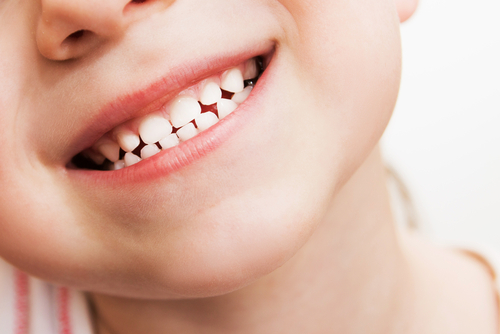 Timing is everything when preventing permanent changes to your child’s smile. Most pediatric dental experts recommend weaning your child off the pacifier between 2 and 4 years of age.
Here is a general timeline to keep in mind for your child’s dental growth:
- Under 12 Months: Pacifier use is safe and offers protective benefits during sleep.
- Ages 2 to 3: Constant pressure begins affecting tooth position and bone shape. Weaning during this period gives primary teeth the best chance to self-correct naturally.
- Age 4 and Beyond: Continued pacifier use increases the likelihood that alignment changes will carry over into permanent adult teeth, requiring professional correction.
How Dr. Addario Corrects Pacifier Teeth
How pacifier teeth are corrected depends on your child’s age, how long the habit lasted, and the severity of the bite change. Here are four primary ways dental professionals treat pacifier teeth:
Natural Self-Correction Through Early Weaning
If a child stops using a pacifier before age 3 or 4, the natural growth of their jaw and tongue movement often moves primary teeth back into proper position on their own. Within six months to a year after quitting, mild open bites frequently close without active intervention.
Gentle Habit Appliances
For young children who struggle to stop relying on a pacifier or thumb habit, a dentist can place a small, custom habit appliance. This comfortable appliance sits quietly behind the upper front teeth, breaking the seal and making the habit less satisfying so children give it up naturally.
Palatal Expanders
If prolonged pacifier use created a narrow upper jaw or crossbite, a palatal expander can gently widen the upper jawbone while the child is still growing. Widening the palate creates proper space for incoming adult teeth and corrects bite alignment.
Early Interceptive Orthodontics and Braces
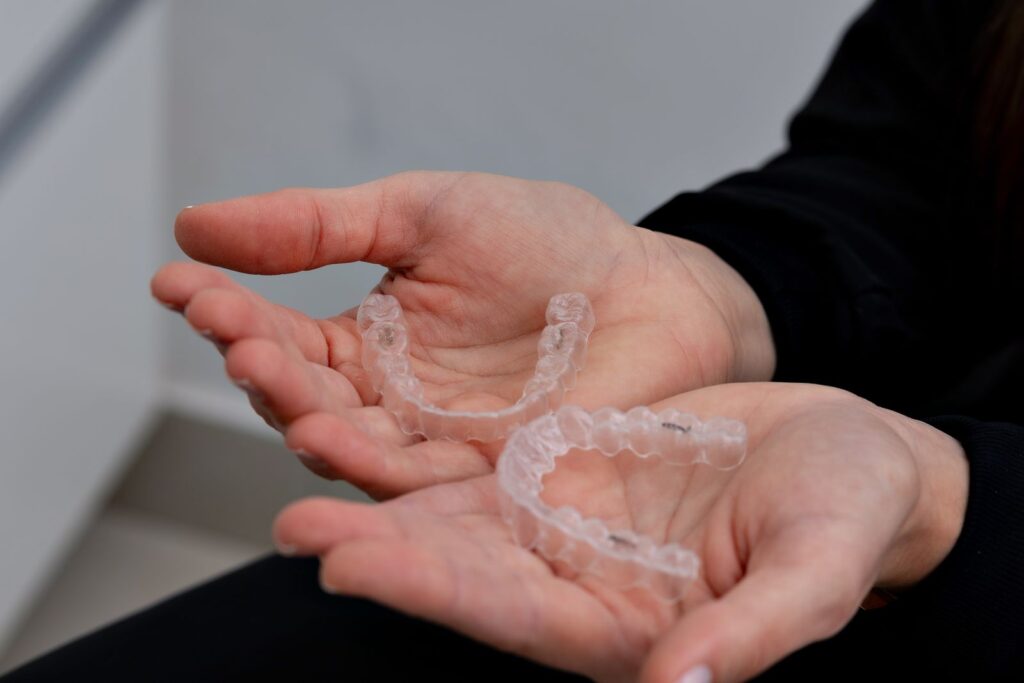
When bite misalignments persist into early grade school, two-phase orthodontics or clear aligners guide developing adult teeth into alignment, preventing severe structural issues later in life.
Parent-Tested Tips for Helping Your Child Wean Off the Pacifier
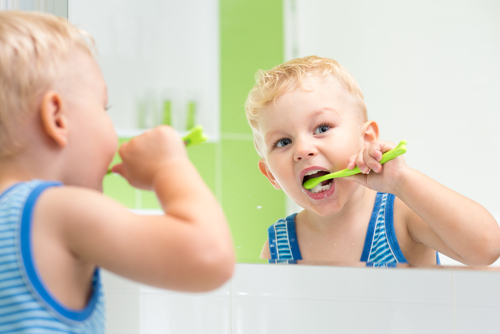 Stopping the pacifier habit requires patience and positive reinforcement. Here are five practical strategies that help make the transition smooth for your child:
- Praise and Rewards: Celebrate pacifier-free days with sticker charts, small treats, or special trips to the park.
- Gentle Distractions: Offer a cuddly stuffed animal, soft blanket, or extra bedtime stories when your child seeks comfort.
- Limit Use Gradually: Start by restricting the pacifier to bedtime and naptime before eliminating it during the day.
- The Pacifier Fairy Strategy: Create a fun narrative where your child leaves their pacifiers for the Pacifier Fairy in exchange for a big-kid toy.
- Visit Your Local Chula Vista Dental Office: A gentle checkup allows your dentist to explain to your child in a fun way why their teeth need a break from the pacifier.
Frequently Asked Questions
Will pacifier teeth fix themselves once my child stops using a pacifier?
If your child stops using a pacifier before age 3 or 4, mild pacifier teeth often fix themselves naturally. As the tongue rests against the roof of the mouth and the jaw grows, teeth gradually shift back toward proper alignment. However, if the habit continues after age 4 or if adult teeth have started coming in, professional dental intervention may be necessary to correct bite issues.
Is a pacifier worse for a child’s teeth than thumb sucking?
In terms of pressure on teeth and jaw shape, pacifier use and thumb sucking cause similar alignment issues. However, a pacifier is generally easier for parents to control and eliminate because you can physically remove a pacifier from the house. A child’s thumb is always available, making thumb sucking a tougher pattern to break.
Can pacifier teeth affect my child’s speech development?
Yes, severe pacifier teeth can impact speech development. An open bite or altered tongue position caused by prolonged pacifier use can lead to difficulty pronouncing certain sounds, such as lisping when trying to make ‘s’ or ‘z’ sounds. Correcting the bite early helps support clear speech patterns as your child grows.
How much does it cost to treat pacifier teeth in Chula Vista?
The cost depends on the type of intervention your child needs. If stopping the habit allows natural self-correction, there is no additional cost beyond routine cleanings. If an appliance, palatal expander, or early orthodontics is required, costs vary based on treatment complexity. Our team at our Chula Vista dental office provides clear treatment plans and flexible financial options.
Protect Your Child’s Smile with Dr. Nick Addario at Smile Expert
Pacifier teeth are a very common part of childhood development, but with early attention and supportive guidance, your child can enjoy a straight, healthy smile. Quitting the pacifier habit early gives nature the opportunity to work its magic, and professional care is always available when extra support is needed.
Choosing an experienced, compassionate Chula Vista dentist ensures your child feels comfortable, relaxed, and happy during every visit. If you live in Chula Vista, CA or surrounding communities like Eastlake, Otay Ranch, Bonita, Imperial Beach, National City, or South San Diego, exceptional family dental care is right around the corner. Dr. Nick Addario and his welcoming team provide comprehensive preventative care, pediatric evaluations, and gentle treatments tailored to your child’s unique needs.
Ready to check your child’s dental growth or need help weaning off the pacifier? Contact our friendly Chula Vista dental office today by calling (619) 656-1788 to schedule an appointment!