Why Teeth Change Color Beyond Coffee and Wine
 When most people think of discolored teeth, coffee, tea, red wine, and tobacco are usually the first culprits that come to mind. While dark beverages and smoking are indeed major contributors to surface stains, you might be surprised to learn that teeth can turn yellow, brown, grey, or even spotty white for reasons completely unrelated to your diet. Unexpected factors like prescription medications, everyday mouthwashes, minor dental trauma, and even genetic traits can alter the natural shade of your tooth enamel.
Discovering that your teeth are losing their brightness despite excellent brushing habits can feel frustrating. Fortunately, understanding the hidden causes of tooth discoloration makes it much easier to choose an effective solution. At Smile Expert, our dedicated team helps patients identify the root cause of tooth stains and craft personalized treatments that restore brilliant smiles. As a leading Chula Vista dentist, Dr. Addario offers both preventative and advanced cosmetic care to keep your teeth looking their absolute best. If you’re struggling with tooth discoloration, don’t hesitate to contact our Chula Vista dental office by calling (619) 656-1788.
6 Surprising Causes of Teeth Discoloration
While surface stains from food affect the outer enamel layer, many unexpected causes of discoloration develop from within the tooth itself or stem from specialized chemical reactions. Here are six surprising reasons your teeth might be changing color:
1. Prescription Medications and Antihistamines
Certain medications can cause noticeable changes in tooth color. For instance, taking tetracycline or doxycycline antibiotics during early childhood while permanent teeth are developing can cause deep, intrinsic grey or blue-brown bands across enamel. In adults, long-term use of common over-the-counter antihistamines, high blood pressure medications, and antipsychotics can reduce saliva flow, making enamel more susceptible to staining.
2. Medicated Mouthwashes
Antibacterial mouthwashes containing chlorhexidine or cetylpyridinium chloride are frequently prescribed to treat gum disease and reduce inflammation. While highly effective at fighting bacteria, prolonged use of these ingredients can react with salivary compounds, leaving temporary brown or black surface stains along your teeth and gumline.
3. Nerve Damage and Past Dental Trauma
If you experienced a sports injury, a fall, or a blow to the face years ago, the nerve inside the affected tooth may slowly deteriorate over time. When internal tooth pulp dies or bleeds, hemoglobin breaks down inside the tooth, causing the enamel to darken to a dull grey, brown, or purplish hue.
4. Excessive Fluoride Exposure (Fluorosis)
While fluoride is essential for strengthening enamel and preventing cavities, consuming excessive amounts during early childhood can lead to fluorosis. Mild fluorosis causes faint white specks or lacy lines, while severe fluorosis creates dark brown patches and uneven enamel texture.
5. Natural Enamel Thinning from Aging
As you age, the outer layer of white enamel naturally wears down from decades of chewing, brushing, and exposure to acidic foods. As enamel thins, the underlying dentin, which is naturally yellow or light brown, becomes more visible, giving your smile a darker appearance overall.
6. Medical Conditions and Cancer Treatments
Certain systemic illnesses that affect enamel development during childhood can cause discoloration. Additionally, medical treatments like chemotherapy and head or neck radiation therapy can alter enamel formation or severely dry out mouth tissues, increasing stain accumulation.
How Our Accredited Cosmetic Dentist Corrects Discoloration
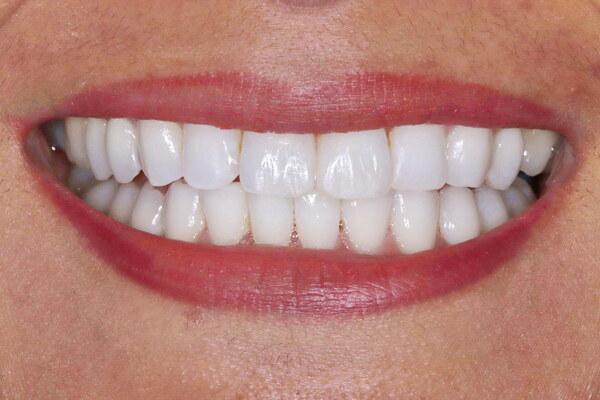 Because unexpected discoloration often stems from internal tooth structure rather than surface enamel, standard store-bought whitening products rarely deliver satisfying results. Undergoing professional evaluation at a qualified Chula Vista dental office ensures you receive a targeted treatment plan suited to your specific stain type:
Deep Professional Teeth Whitening
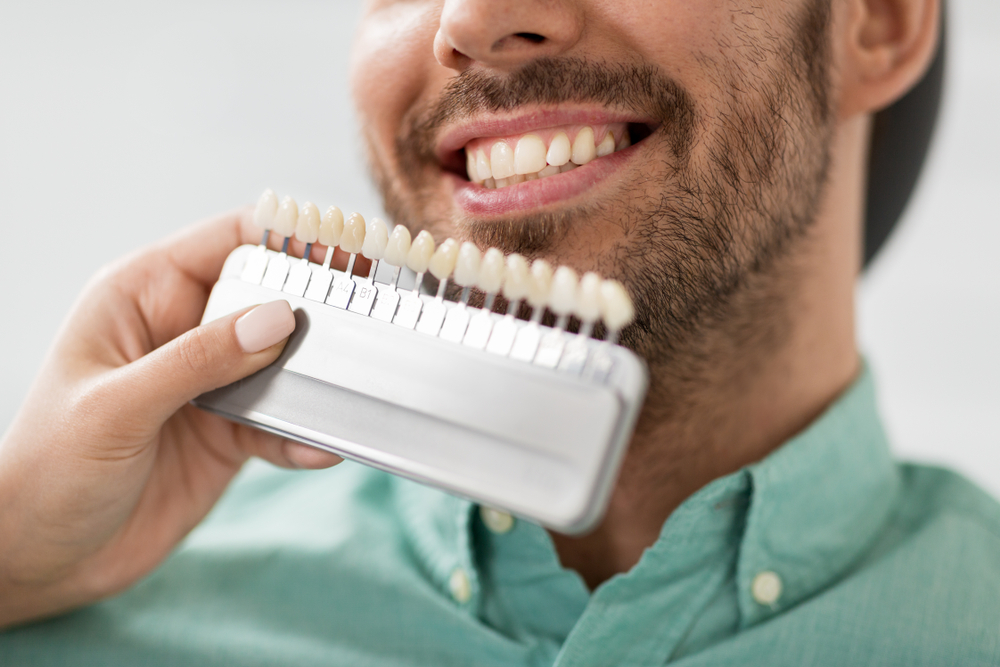
For surface discoloration or age-related enamel yellowing, prescription-strength in-office teeth whitening effectively lifts deep-seated pigments to reveal a noticeably brighter shade.
Dental Bonding
For localized grey spots, mild fluorosis marks, or minor trauma discoloration, composite dental bonding covers the affected area with tooth-colored resin, blending seamlessly with surrounding enamel.
Custom Porcelain Veneers
When dealing with severe intrinsic staining from tetracycline or nerve damage, custom porcelain veneers offer a complete aesthetic transformation. Ultra-thin ceramic shells cover the front of discolored teeth, providing permanent brightness, ideal shape, and natural translucency. Dr. Nick Addario is proud to be an accredited cosmetic dentist through the American Academy of Cosmetic Dentistry (AACD), a prestigious distinction held by only around 300 practitioners worldwide and the only dentist in Chula Vista with this credential.
Frequently Asked Questions
Why is only one of my teeth turning dark grey or brown?
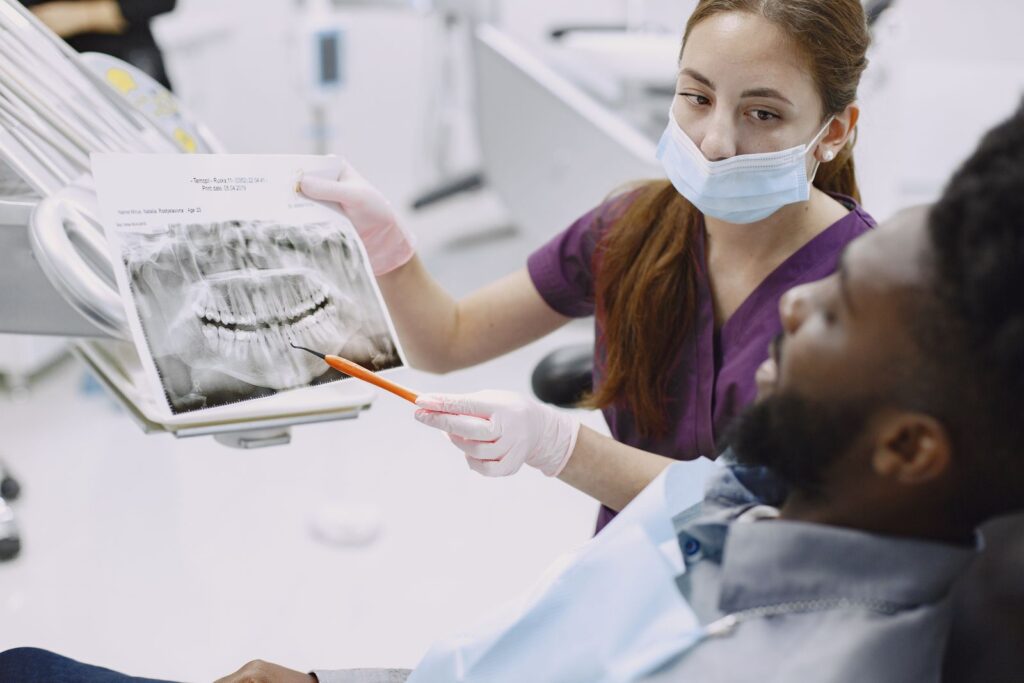
When a single tooth turns grey or dark brown while surrounding teeth remain normal, it is usually a sign of internal nerve damage or prior dental trauma. Blood vessels within the tooth pulp may have been damaged, causing discoloration from the inside out. It is important to visit a Chula Vista dentist for an X-ray and clinical evaluation to check the health of the tooth nerve.
Can medicated mouthwash stains be removed easily?
Yes, stains caused by antibacterial mouthwashes containing chlorhexidine are surface-level deposits. A routine professional dental cleaning at our Chula Vista dental office easily polishes away these dark marks, restoring your natural tooth shade without damaging your enamel.
Why aren’t my teeth whitening strips working on my discolored spots?
Over-the-counter whitening strips are designed primarily for superficial stains caused by food and drinks. Intrinsic discoloration caused by medications, fluorosis, or nerve trauma originates beneath the outer enamel where surface bleaching strips cannot reach. Professional cosmetic solutions like porcelain veneers or dental bonding are much more effective for covering intrinsic stains.
How much does it cost to treat unexpected tooth discoloration in Chula Vista?
Treatment costs vary depending on the underlying cause and the method chosen to fix it. A simple professional cleaning or whitening session is an accessible starting point, while comprehensive solutions like porcelain veneers involve a higher financial investment. Our team provides clear treatment plans and flexible financing options during your consultation.
Refresh Your Smile with Dr. Nick Addario at Smile Expert
Tooth discoloration can happen for many unexpected reasons, but you do not have to live with dark or unevenly shaded teeth. Identifying the root cause of your staining allows you to choose safe, effective treatments that restore both your oral health and your confidence.
If you reside in Chula Vista, CA or surrounding San Diego communities, top dental care is just around the corner. Dr. Nick Addario and his welcoming team offer comprehensive general, restorative, and cosmetic services tailored to your unique smile goals.
Ready to uncover a brighter, more confident smile? Contact our Chula Vista dental office by calling (619) 656-1788 to schedule your consultation!